Streamlined Clinical Trials with Continuous Data
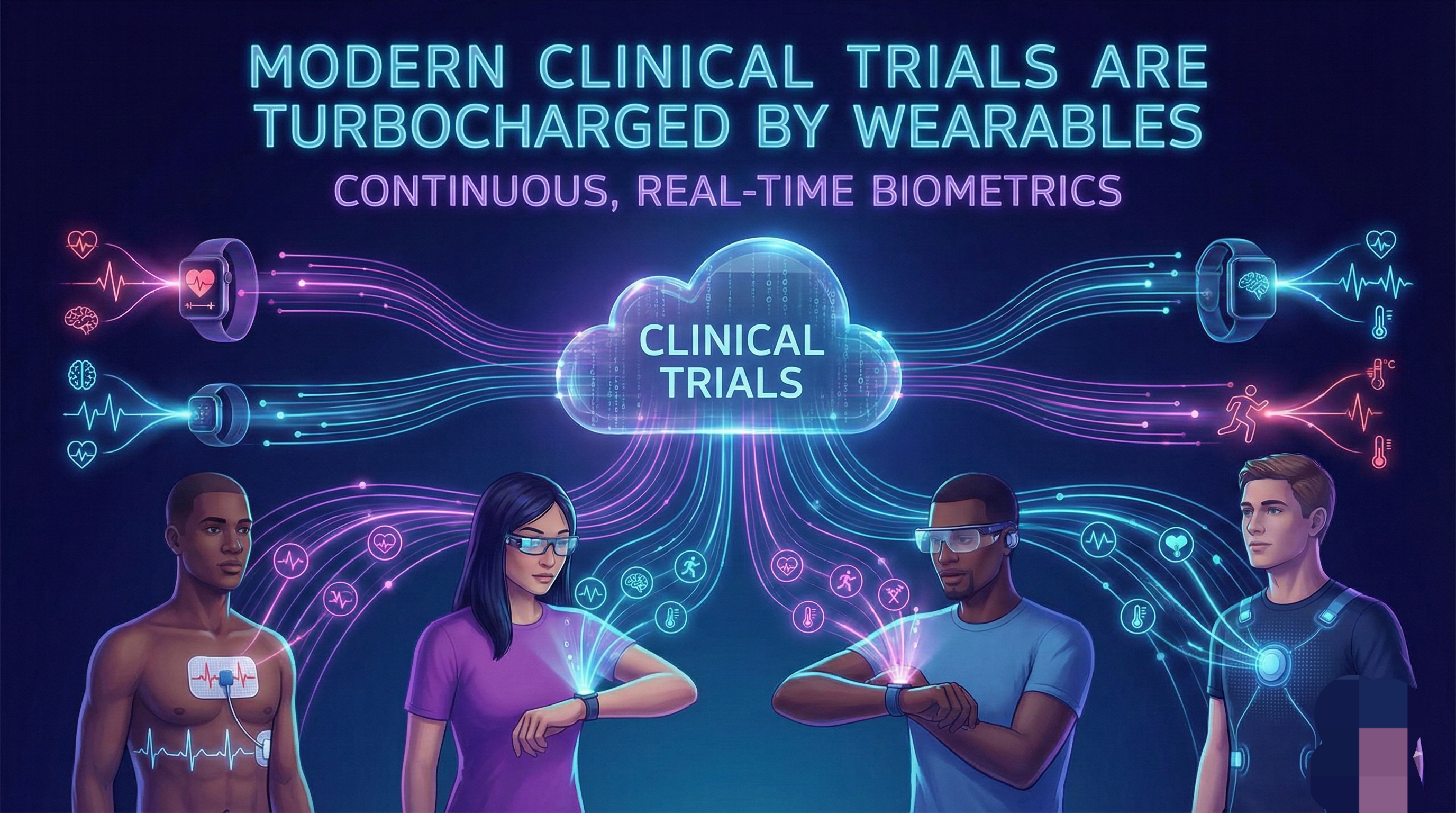
Modern clinical trials are being turbocharged by wearables—from ECG patches to smartwatches and sensor textiles—delivering continuous, real-time biometrics. Sensors enable remote monitoring and higher adherence, while trials like the Apple Heart & Movement Study set the gold standard for data density (>250,000 participants, >180 million days of data).
And the best part? No more excuses about "forgotten clinic visits"—your trial subject's wrist does all the snitching.
Real-Time Safety and Efficacy Monitoring
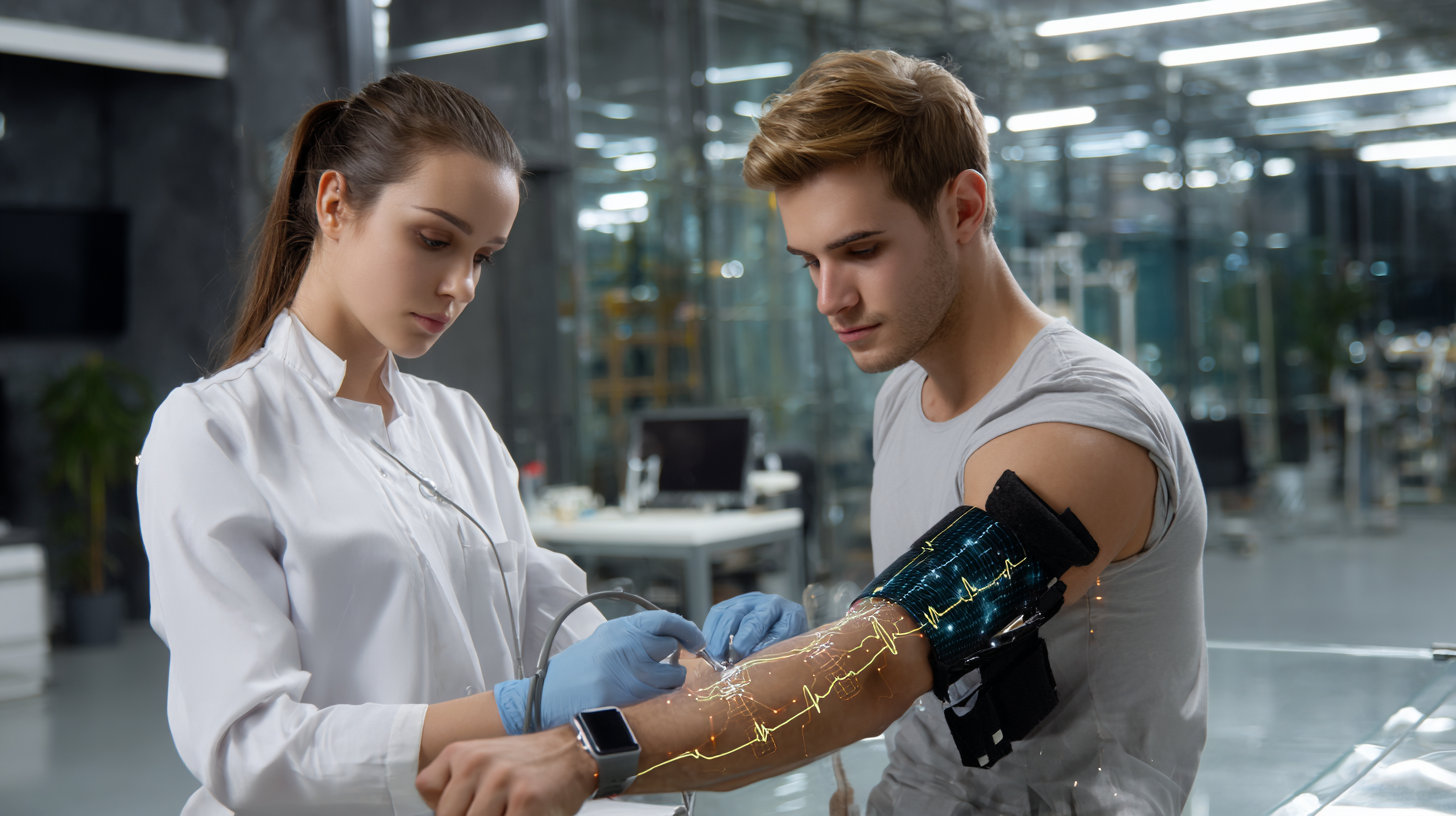
With wearable devices, everything from arrhythmias to metabolic crises can be flagged instantly. Smart systems married with 5G data transmission and AI models mean clinical teams respond to adverse events in near real-time, with 1ms latency and 0.5% loss. Real-world studies prove you can meaningfully track outcomes like pressure for burn injuries or glycemic excursions in diabetes—see real-time facial mask monitoring and Latino diabetes RCT using continuous glucose sensors.
Your principal investigator will finally know when a patient's glucose is tanking—before the audit team does.
Digital Biomarkers and AI-Driven Outcomes
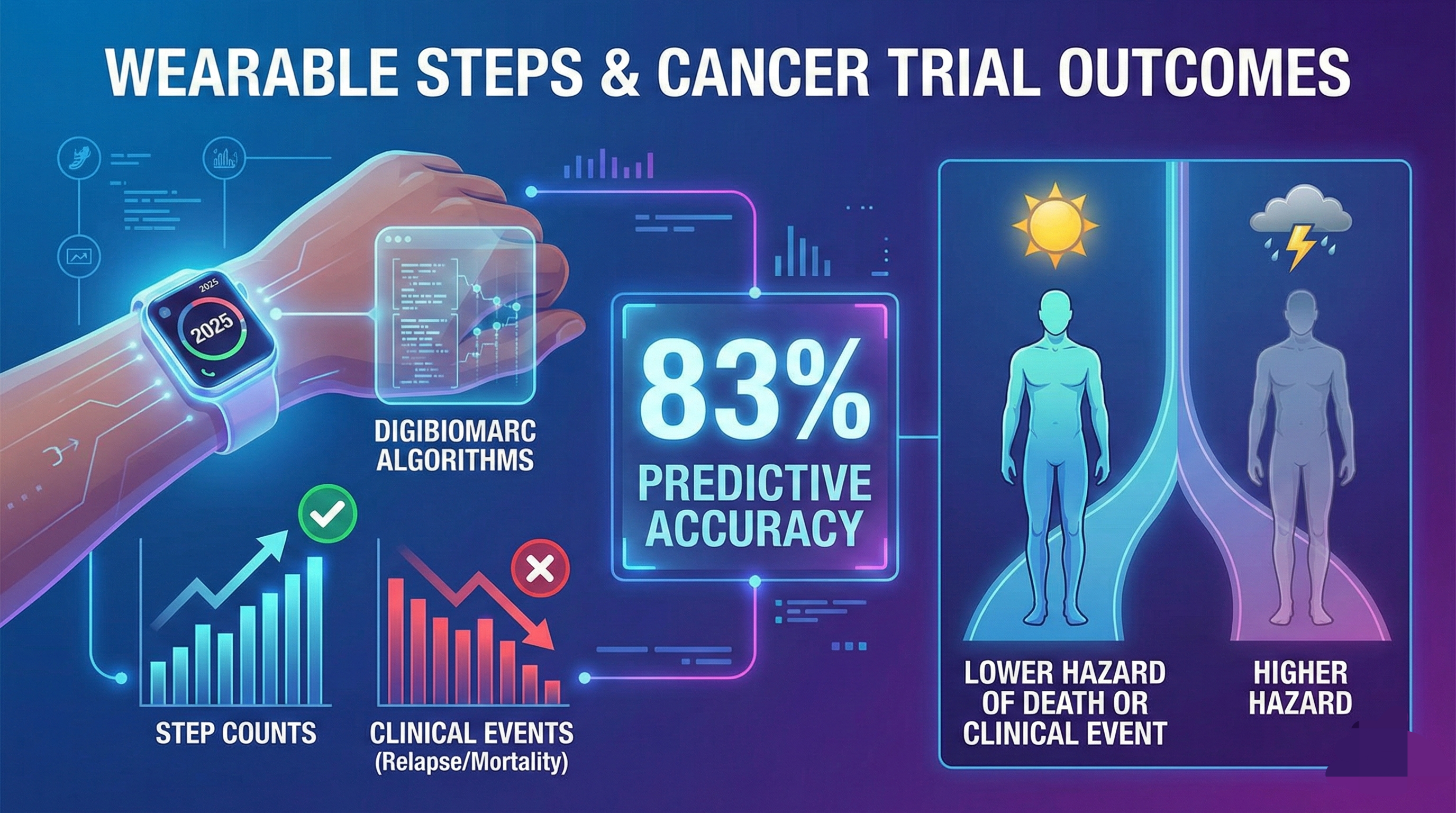
Steps tracked by wearables correlate with clinical events—like relapse or mortality—in cancer trials. A 2025 Apple Watch study paired with DigiBioMarC algorithms showed higher step counts predicted lower hazard of death or clinical event (83% predictive accuracy): Digital biomarkers analysis in cancer patients. On the psychiatric front, Korea's SWARTS-DA study combines wearables and smartphones to power real-time screening for depression and anxiety via machine learning: SWARTS-DA protocol, predictive algorithms for mental health.
If your AI model can't detect burnout, at least it can spot when your oncology patient's Fitbit stops moving.
Regulatory & Tech Trends: FDA, Cybersecurity, Data Standards
Wearables with diagnostic claims increasingly fall under FDA's digital health guidance, so check your device's approval status before pitching it to trial teams. Latest FDA and AMA guidance for trial wearables notes only analytic functions (AFib, ECG) are regulated—general health tracking still flies under the radar. And for cybersecurity? 2025 FDA final guidance now expects threat modeling and software risk stratification for all "cyber devices".
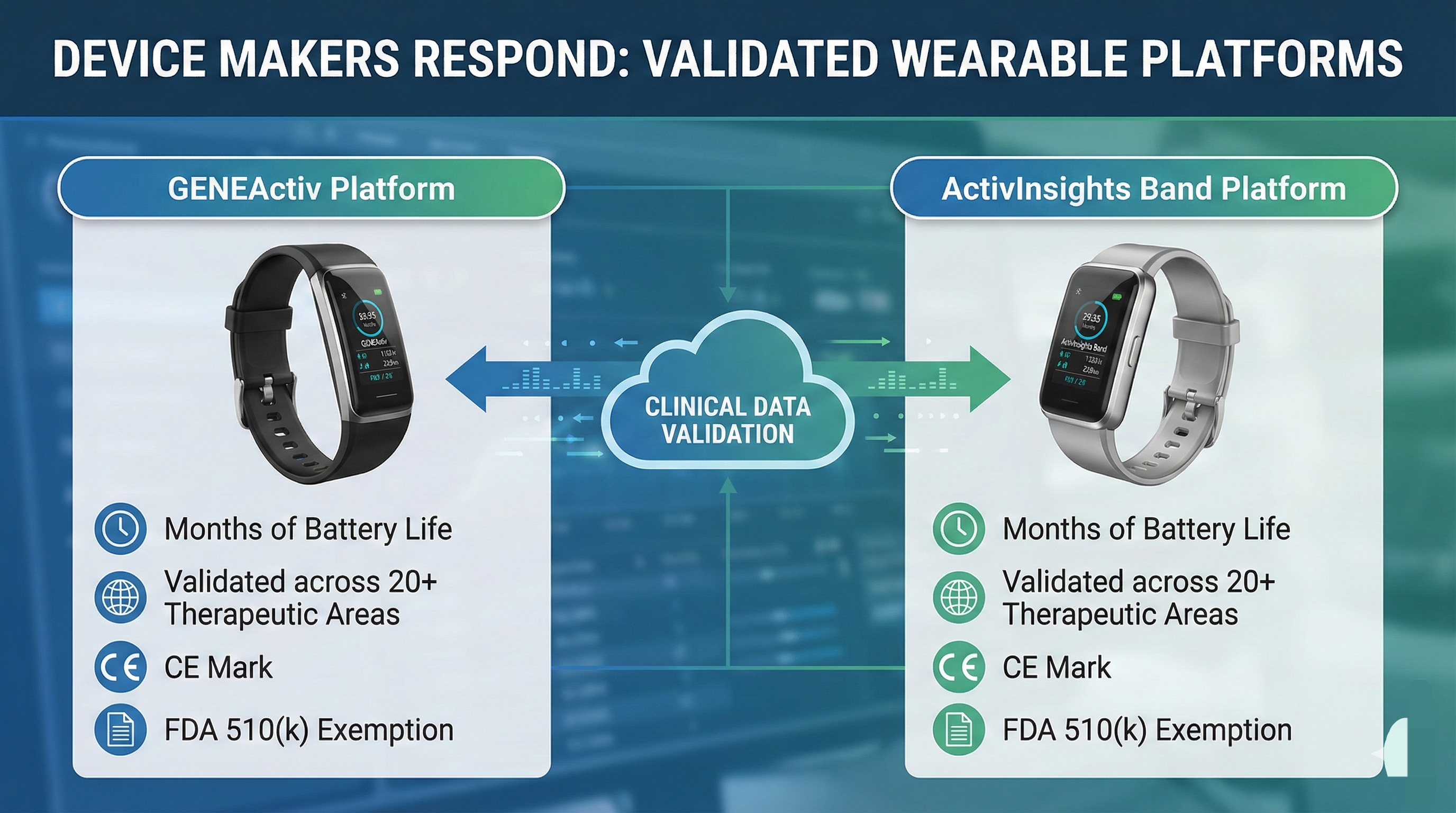
Device makers have responded with platforms like GENEActiv and ActivInsights Band, validated across 20+ therapeutic areas—boasting months of battery life, CE mark, and FDA 510(k) exemption: ActivInsights Digital Health Tech Overview.
Regulatory wants cybersecurity documentation, your team wants zero patient dropouts, and IT just wants less drama—one device to rule them all?
Key Spotlights & Takeaways
- Continuous real-time monitoring is shifting endpoints to daily living, not just clinic snapshots.
- FDA and global regulators now set concrete standards—watch out if your trial data flows through an unapproved fitness app.
- Digital biomarkers predict clinical outcomes better than some classic pencil-and-paper endpoints.
- Actual patient engagement is up, trial retention rates improve across chronic, oncologic, and metabolic disease cohorts (enjoy those protocol compliance graphs at next month's review).
Still waiting for the device to flag spontaneous coffee break frequency. Maybe next fiscal year.
Spotlight Source Links
- Wearables in Clinical Trials (Quanticate)
- How Wearables Like Oura Are Revolutionizing Clinical Trials
- Digital Biomarkers Analysis in Cancer Patients (Karger)
- AI & 5G Real-Time Processing in Biomechanics
- SWARTS-DA Protocol, Wearables for Depression/Anxiety
- Pressure-Monitoring Wearables for Burn Rehab
- RT-CGM Diabetes Monitoring RCT
- FDA & AMA Guidance on Wearables
- FDA Medical Device Cybersecurity 2025
- ActivInsights Digital Health Tech in Trials